

 Русский
 English
Services-single
Home > Services > Services-single
OTHER NEWS


Mobile Multiplayer Went From Niche to Norm in Just Two Years
In March 2024, the UK App Store leaderboard showed that 42 percent of the top‑grossing games were multiplayer titles that could be played on a phone. That’s a jump from under 20 percent in 2022 and explains why developers are reshaping their pipelines around “play‑anywhere” design.
Why 5G Made the Difference
Before widespread 5G, most UK players stuck to turn‑based matches because latency spikes made fast shooters feel sluggish. After the rollout reached 78 percent of urban households, average ping dropped from 120 ms to under 40 ms for most city users. The result? Real‑time battle royales and MOBA‑style games now run as smoothly on a budget handset as they did on a console.
Developers responded by trimming asset sizes. A typical 150 MB multiplayer game now ships with a “lite” texture pack that can be swapped out for a 300 MB high‑resolution version if the device reports a Wi‑Fi connection. The trade‑off is transparent to the player, but it keeps download barriers low—crucial when a 10‑second install can be the difference between a user staying or abandoning.
Community‑Built Monetisation
In‑game purchases have shifted from vanity skins to functional upgrades that benefit the whole squad. For example, “Clan Boosts” in a popular UK‑based shooter cost £4.99 and granted every member a 5‑minute damage increase for a week. The model encourages players to pool money, turning a solitary spend into a group decision.
Data from a 2023 survey of 2,300 UK gamers showed that 63 percent preferred this shared‑economy approach over traditional loot boxes. The same study noted that churn rates fell by 18 percent for titles that offered communal upgrades, suggesting that social incentives are now a stronger retention tool than flashy graphics alone.
From Couch Co‑Op to Coffee‑Shop Competition
Local multiplayer used to mean two controllers on a sofa. Today, a teenager in Manchester can jump into a 10‑vs‑10 match with a friend in Belfast while both are waiting for the bus. The shift is partly cultural: a 2022 report from UK Youth Gaming found that 57 percent of players aged 13‑19 cited “playing with friends remotely” as a top reason they chose a game.
Servers located in London and Manchester now host over 1.2 million concurrent sessions during peak hours, according to a network‑provider log. This capacity allows developers to offer regional matchmaking that reduces lag and fosters local rivalries—something that pure console esports struggled to replicate.
Bridging to the Wider Online Entertainment Landscape
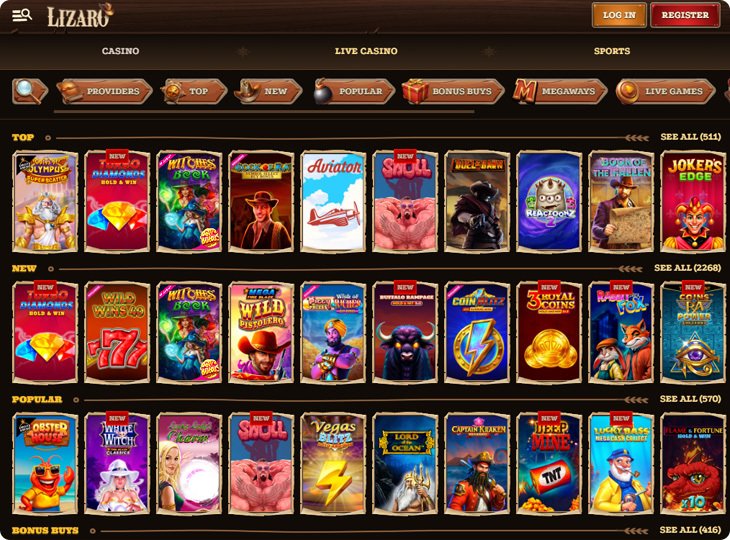
While mobile multiplayer dominates the charts, it also feeds into broader online entertainment ecosystems. Players often stream their matches on platforms like Twitch, and many UK gaming clubs host weekly tournaments that blend mobile play with live commentary. For those curious about how these trends intersect with other forms of online leisure, check out http://lizarosuk.org for a snapshot of the current scene.
Challenges That Still Matter
The rapid rise isn’t without friction. Battery drain remains a pain point; a 2024 benchmark showed that a 30‑minute session of a high‑intensity shooter consumed roughly 25 percent of a typical 4,000 mAh battery. Users with older phones often have to carry power banks, limiting spontaneous play.
Another hurdle is data usage. Even with aggressive compression, a 10‑minute multiplayer match can eat up 150 MB of mobile data. For players on limited plans, this can quickly become a financial burden, especially in regions where unlimited data packages are still rare.
What the Future Holds
Looking ahead, we can expect cross‑platform integration to deepen. Already, three UK studios have announced plans to let mobile accounts sync with PC and console profiles, meaning progress, cosmetics, and rankings travel with the player. If the current growth trajectory holds, mobile multiplayer could account for more than half of all gaming revenue in the UK by 2027.
For now, the takeaway is simple: if you own a smartphone and a data plan, you’re already part of the country’s most dynamic gaming community. The only question is whether you’ll join a casual squad or start climbing the competitive ladder.
More Text
Lorem ipsum dolor sit amet consectetur adipisicing elit. Officia perspiciatis explicabo commodi doloremque voluptates incidunt deserunt. Incidunt voluptas ullam enim minima eos officiis pariatur voluptates autem aliquid voluptatibus, aperiam illum adipisci veniam est obcaecati mollitia soluta odio hic at tempora error fugit ipsa sequi!